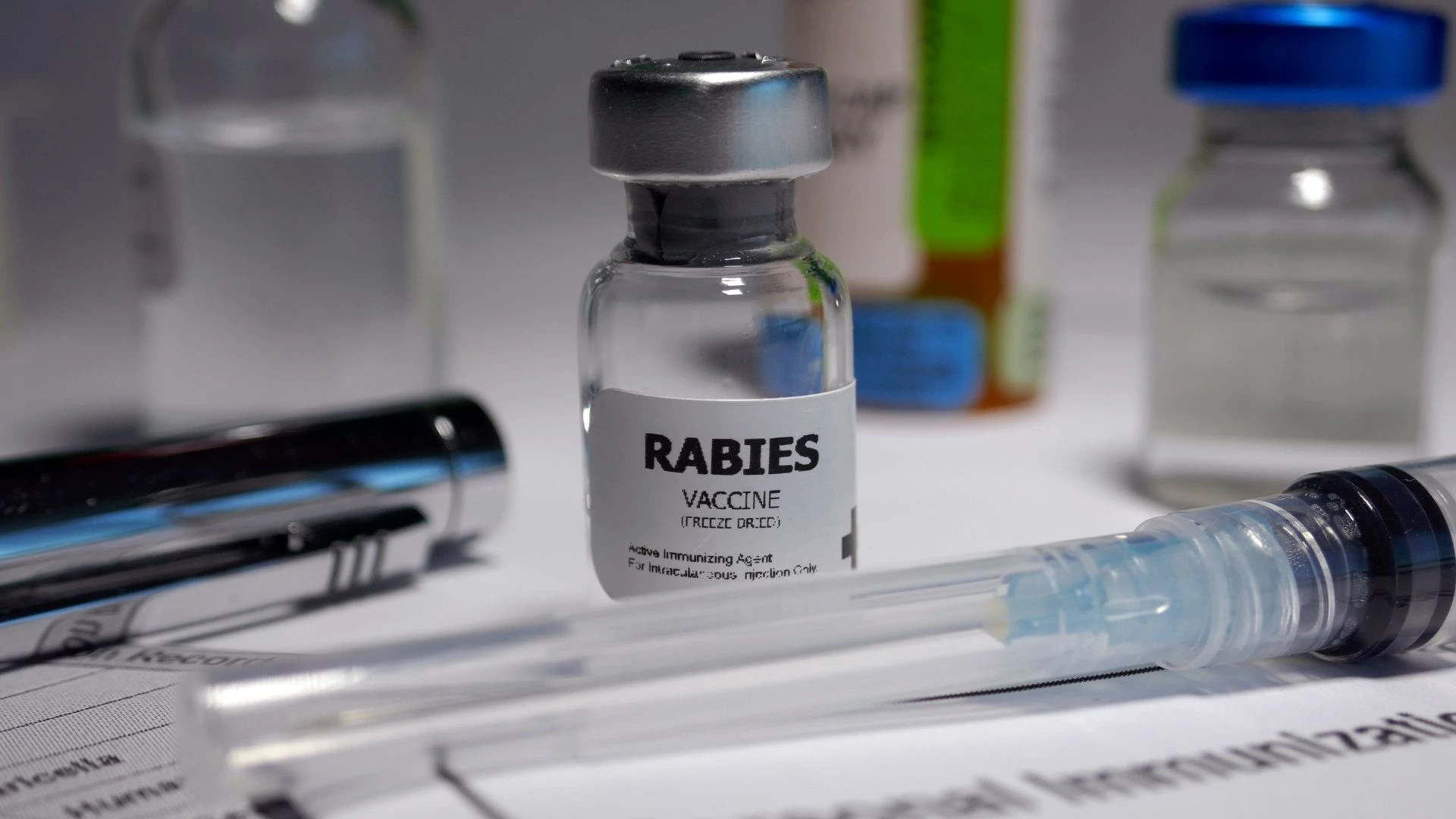
Rabies in Bali: Symptoms, Risks, Prevention, and What to Do After an Animal Bite

Rabies is a serious viral disease that affects the nervous system and can be fatal if not treated promptly. In Bali, rabies is a known health risk, especially for travelers who may come into contact with dogs, monkeys, or other mammals during their stay.
Understanding rabies, how it spreads, and what actions to take after a bite can save your life.
What Is Rabies?
Rabies is a viral infection transmitted through the saliva of infected animals, usually via bites or scratches. Once symptoms appear, rabies is almost always fatal, which is why early medical treatment is critical.
Rabies affects the brain and spinal cord, leading to severe neurological symptoms.
Is Rabies a Risk in Bali?
Yes. Rabies is present in Bali, and while government vaccination programs have reduced cases, the risk still exists, particularly from:
- Stray dogs
- Free-roaming dogs in villages
- Monkeys in tourist areas and temples
- Cats and other mammals (rare but possible)
Travelers are often exposed unintentionally, especially when feeding or playing with animals.
How Rabies Is Transmitted
Rabies spreads when infected saliva enters the body through:
- Animal bites
- Scratches that break the skin
- Saliva contacting open wounds or mucous membranes (eyes, mouth)
Even small bites or scratches can transmit the virus.
Symptoms of Rabies
Rabies symptoms may appear weeks to months after exposure.
Early Symptoms
- Fever
- Headache
- Fatigue
- Pain, tingling, or burning sensation at the bite site
Advanced Symptoms
- Anxiety and agitation
- Confusion or hallucinations
- Difficulty swallowing
- Excessive salivation
- Hydrophobia (fear of water)
- Paralysis and coma
⚠️ Once symptoms appear, rabies is almost always fatal. Immediate treatment before symptoms start is essential.
What to Do After an Animal Bite or Scratch in Bali
If you are bitten or scratched by an animal in Bali:
1. Wash the Wound Immediately
- Wash with soap and running water for at least 15 minutes
- Use antiseptic (iodine or alcohol) if available
2. Seek Medical Care Immediately
- Do not wait to see if symptoms appear
- You may need:
- Rabies vaccine
- Rabies immunoglobulin (RIG)
- Tetanus shot
- Antibiotics if necessary
3. Avoid Traditional Remedies
- Do not rely on herbal treatments or local advice alone
- Rabies requires medical treatment
Rabies Vaccination: Before and After Exposure
Pre-Exposure Vaccination
Recommended for:
- Long-term travelers
- Digital nomads
- Children
- People working with animals
Pre-exposure vaccination does not eliminate the need for treatment after a bite, but it simplifies post-exposure care.
Post-Exposure Treatment
Even if you are vaccinated, you must still receive booster doses after a bite.
Can Rabies Be Treated?
Rabies cannot be cured once symptoms begin, but it is 100% preventable with prompt post-exposure treatment.
This is why early medical evaluation is critical.
How to Avoid Rabies While in Bali
- Do not touch or feed stray animals
- Avoid monkeys, even if they appear friendly
- Teach children not to play with animals
- Seek medical help immediately after any bite or scratch
- Consider rabies vaccination for long stays
When to See a Doctor
You should contact a doctor immediately if you:
- Are bitten or scratched by any animal
- Have saliva contact with broken skin
- Are unsure whether the skin was broken
Experience unusual symptoms after animal contact
Doctor Home Visit for Animal Bites in Bali
If you cannot visit a clinic, a doctor can come to your hotel or villa to assess your condition and provide immediate treatment.
Our medical team in Bali can assist with:
- Wound assessment and cleaning
- Rabies risk evaluation
- Vaccination and referrals if needed
Emergency medical advice
Stay Safe and Act Fast
Rabies is rare but extremely dangerous. Fast action saves lives.
If you have any concerns after an animal bite or scratch in Bali, do not delay medical care.
📲 Contact a doctor immediately for advice or home visit medical assistance in Bali.